Preparation Method
- Make the Dough: Begin by placing 3 cups of wheat flour and 1 dessert spoon of salt into a large bowl or on a clean work surface. Make a well in the center of the flour, similar to making a pasta dough. In this well, pour in the 3 tablespoons of oil, 2 tablespoons of brandy, and 2 tablespoons of vinegar. Brandy is used to add a subtle depth of flavor to the dough, while vinegar helps create a crisp texture after frying. Slowly add a little warm water (about 1 cup) to the center of the well, gradually mixing the flour from the edges with the liquids. Continue mixing until a dough begins to form.
- Knead the Dough: Once the dough starts coming together, knead it gently until it reaches a smooth and firm consistency. If the dough feels too dry, add a small amount of water; if it’s too wet, add a little more flour. The goal is to achieve a dough that is not too sticky and is firm enough to roll out. Kneading the dough will help activate the gluten, ensuring a tender yet crispy result once fried.
- Rest the Dough: After kneading, cover the dough with plastic wrap to keep it from drying out. Let it rest for 1 hour at room temperature. This resting time allows the dough to relax, which makes it easier to roll out and helps with the final texture of the pastry. The dough will be much more manageable after resting.
- Roll Out the Dough: Once the dough has rested, place it on a floured surface. Using a rolling pin, roll out the dough as thinly as possible. The thinner the dough, the crispier the pastry will be once fried. Aim for a dough thickness of about 1/8 inch. If the dough sticks to the rolling pin, dust it with a little more flour to prevent sticking.
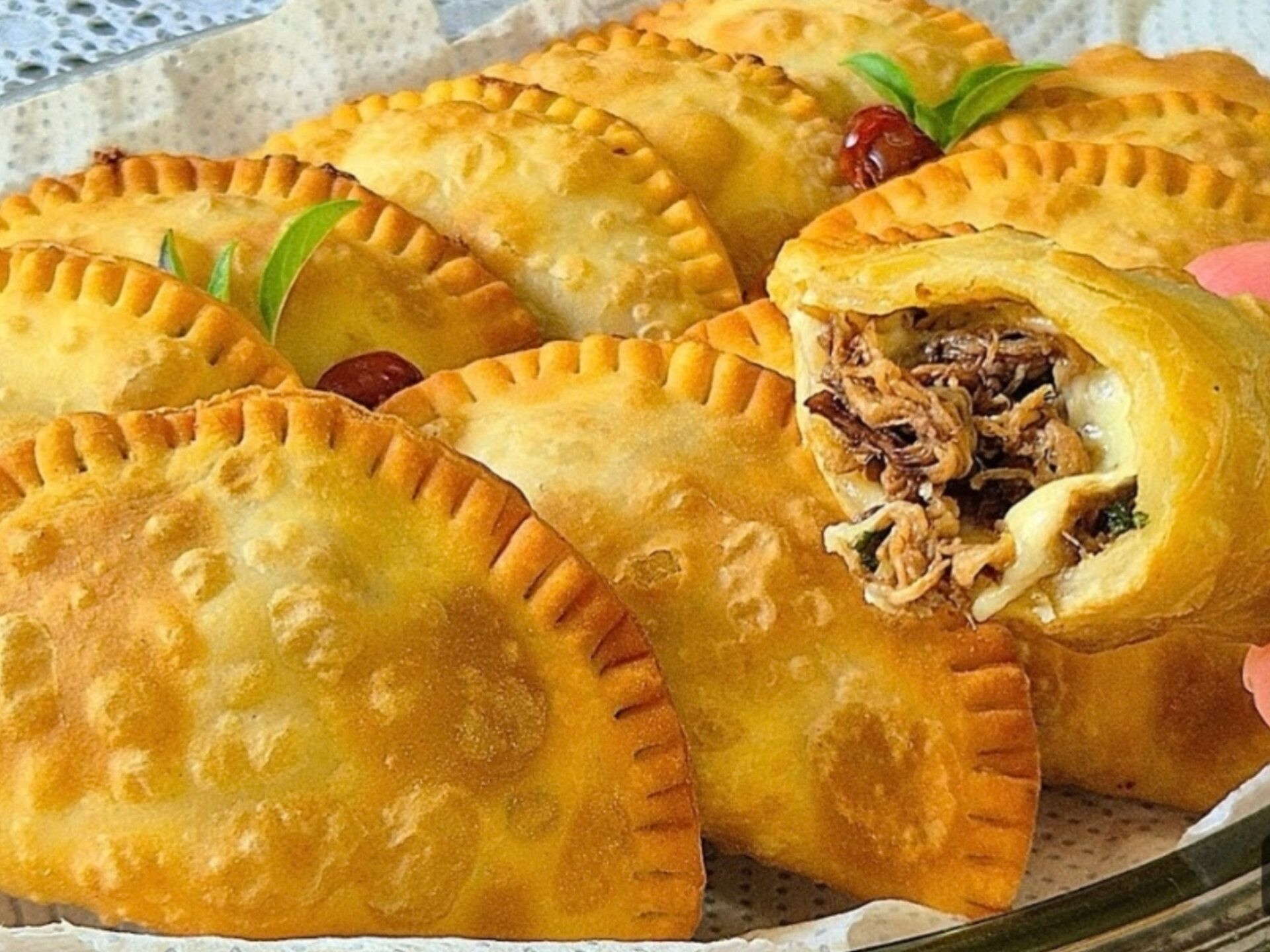
- Add the Filling: Once the dough is rolled out thin, you can add your preferred filling. Whether you’re making a sweet or savory version, place a small amount of filling in the center of each pastry. Be sure not to overfill, as this can make it harder to seal the pastry and could cause the filling to spill out while frying. Common savory fillings include cheese, vegetables, or minced meat, while sweet fillings could include fruit preserves, chocolate, or cream cheese.
- Seal the Pastry: After adding the filling, fold the dough over the filling to create a half-moon or rectangular shape, depending on your preference. Press the edges together firmly to seal, and use a fork or pastry wheel to crimp the edges. This step not only ensures that the filling stays inside but also gives the pastries a beautiful, decorative edge.
- Fry the Pastries: Heat oil in a deep frying pan or pot over medium-high heat. The oil should be hot, but not excessively so—around 350°F (175°C) is ideal. To test the oil, drop a small piece of dough into the oil; if it sizzles immediately, the oil is ready. Fry the pastries in batches, being careful not to overcrowd the pan. Fry each pastry for about 2-3 minutes per side, or until they are golden brown and crispy. Use tongs or a slotted spoon to turn the pastries gently, ensuring they cook evenly on both sides.
- Drain and Serve: Once the pastries are golden and crispy, remove them from the oil and place them on paper towels to drain excess oil. Serve the pastries hot, either as a sweet treat or a savory snack, depending on the filling. Enjoy these crispy homemade fair-style pastries with a dusting of powdered sugar for sweet versions or a side of dipping sauce for savory ones.
Serving & Tips
See more on the next page
Advertisement
