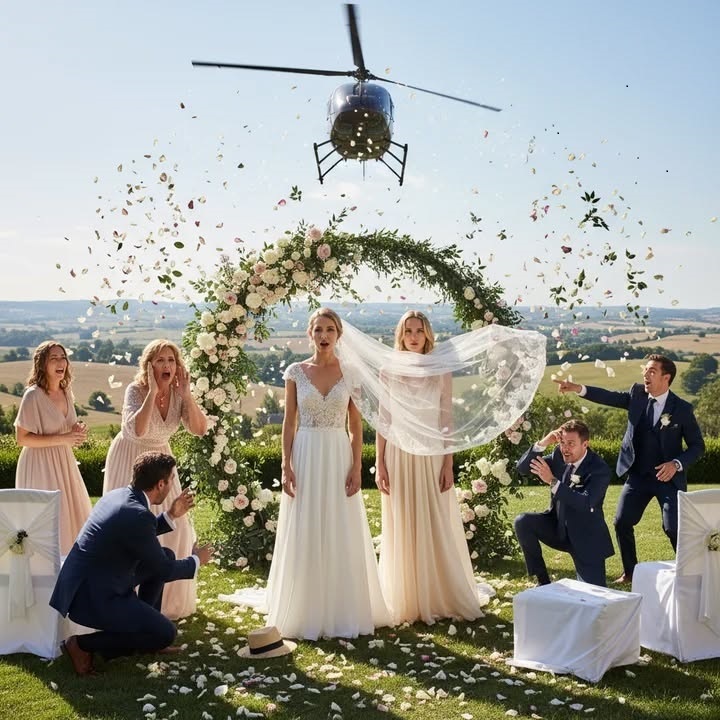
Audits are unromantic. They do not make for montages. They make for long tables covered in paper and truths. We found rot in places that had learned to perfume themselves. We cut cleanly. We promoted the quiet ones who had been doing the work while flashier men in louder suits held meetings about meetings. We disciplined with the tenderness of surgeons. We went home tired and light.
A magazine interviewed me and asked about resilience. I told them the truth: it is not a posture; it is a habit. It is learning how to make a home out of the furniture left after a storm. It is finding your voice after you have trained yourself to swallow.
My father texted twice more in the weeks that followed—neutral updates dressed as olive branches. I replied once and then my therapist taught me the difference between acceptance and access. I learned it quickly; I had work.
One afternoon, Melissa hovered in my doorway, wincing like a person who had to deliver infection. “Victoria attempted entry at the lower lobby. She had a friend recording.”
“Security knows the drill,” I said. “Offer water. No footage in the building. Call her a car.”
“Done,” Melissa said. “She threw the water.”
“Then we dodged the one thing we wanted to keep,” I said, and we both laughed in that tired way you laugh when life behaves like you predicted and you wish for once it would surprise you kindly.
The courts moved too, but behind the scenes, as they should. My father filed for a divorce the way some men file receipts—late, regretful, believing the math will show mercy. His money returned in pieces; some pieces refused to come home. None of it was my business anymore. That was the point.
At night, sometimes, I walked onto the rooftop helipad alone. The city wind doesn’t care who you are; it will pull your hair and steal your breath and then give them back without apology. The first time I stood there after all of this, I whispered, “Never again,” to nobody in particular, and meant it.
“You don’t need to stand near their bride,” Nathan had told me once when he watched me stay at the edge of a holiday party I had organized well enough to feel like a magician. “Make them stand near you.”
It took me longer than it should have to learn he hadn’t meant make them come. He had meant become the person who stands at her own center.
The chopper landed at dusk for a meeting I could have taken by car. I chose the sky. The wind rose. The city flung light at itself like glitter.
I climbed in, and when the door sealed and the world turned to hum, I finally let myself feel it—not victory, not revenge, but freedom.
Part IV — Where the Story Ends, Correctly
See more on the next page
Advertisement
See more on the next page
Advertisement
