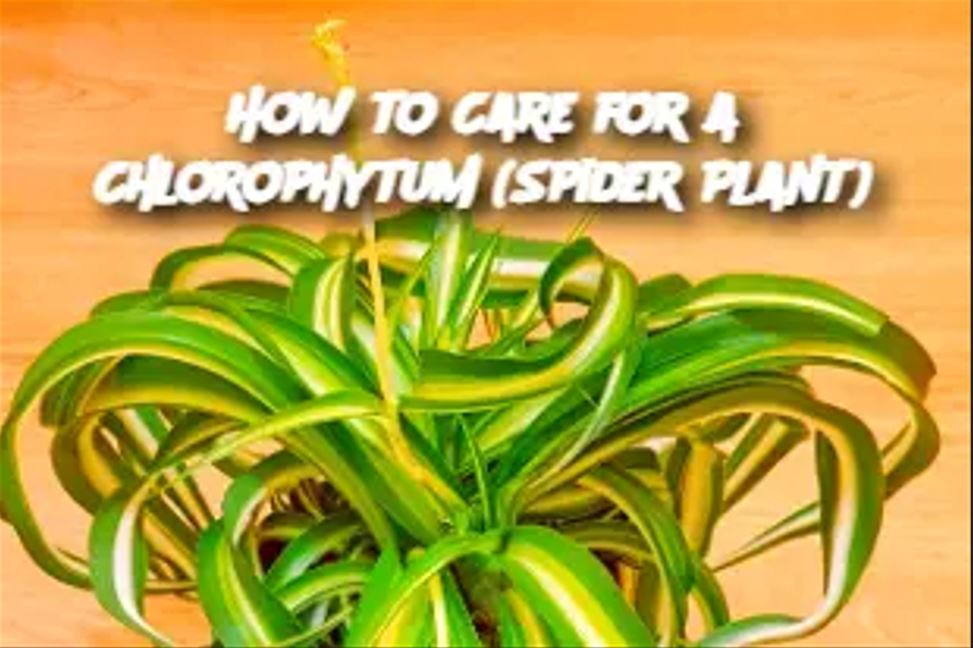
Remove a spiderette and place it in water or soil.
Keep the soil moist until new roots form, then treat it as a mature plant.
8. Common Problems and Solutions
Brown Tips on Leaves
Cause: Low humidity, fluoride in water, or over-fertilizing.
Solution: Use distilled or rainwater, increase humidity, and cut back on fertilizer.
Yellow Leaves
Cause: Overwatering or underwatering.
Solution: Check soil moisture and adjust watering accordingly.
Pests (Spider Mites, Mealybugs, Aphids)
Solution: Wipe leaves with a damp cloth, spray with insecticidal soap, or use neem oil.
9. Benefits of Chlorophytum
Air Purification: Spider plants remove toxins such as carbon monoxide, formaldehyde, and benzene, improving indoor air quality.
Low Maintenance: Great for beginners and those with busy schedules.
Pet-Friendly: Non-toxic to cats and dogs, according to the ASPCA.
Quick Care Summary
Light: Bright, indirect sunlight.
Water: Let soil dry slightly between waterings.
Temperature: 65°F–75°F (18°C–24°C).
Soil: Well-draining potting mix.
Humidity: Moderate; mist if air is dry.
Feeding: Fertilize every 4–6 weeks in spring and summer.
Propagation: Easily propagate spiderettes.
With the right care, your chlorophytum will flourish, producing vibrant green foliage and adorable spiderettes that can be shared with friends or used to expand your collection. 

See more on the next page
Advertisement
