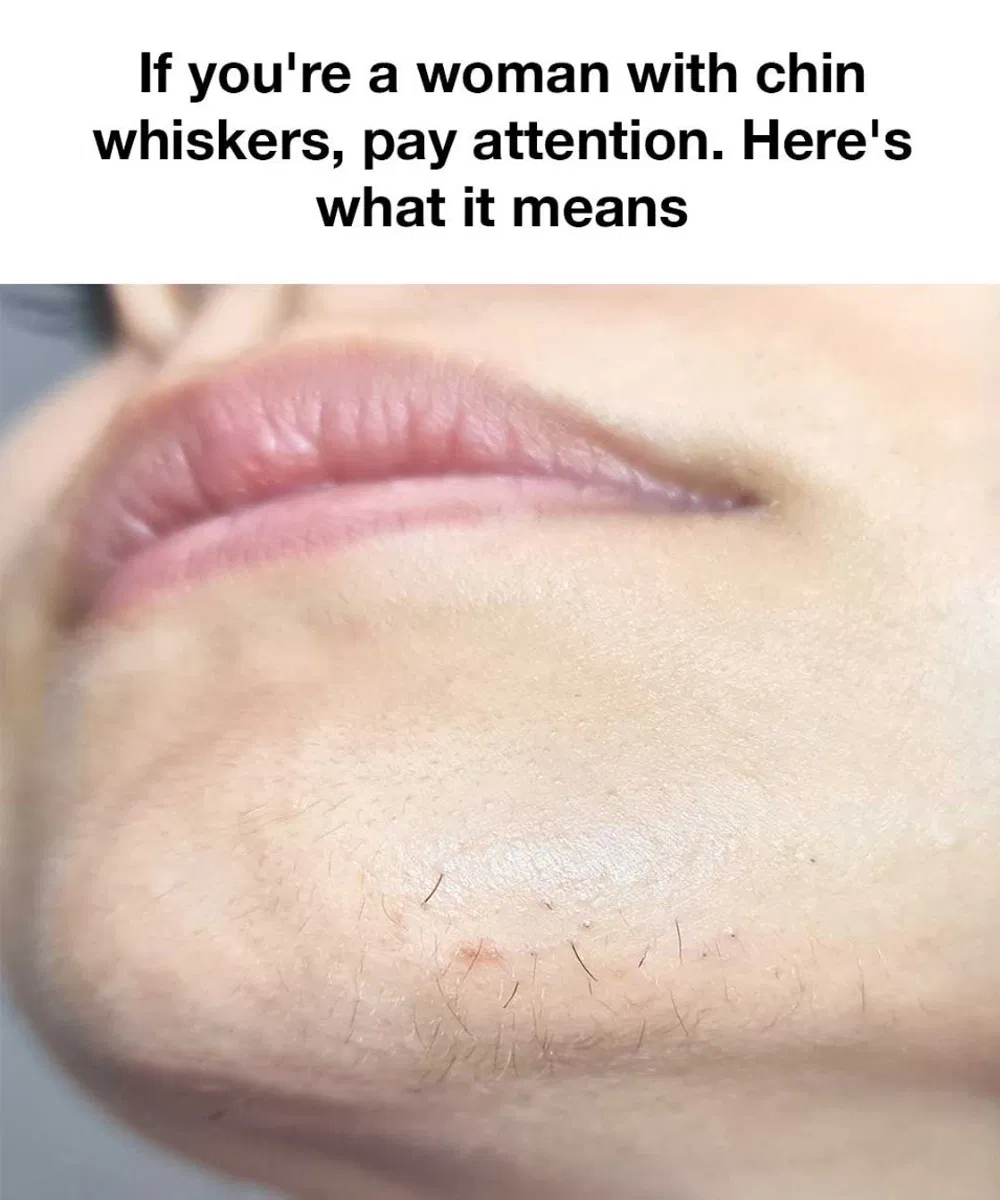
Chin Whiskers in Women: Causes, Effects, and Solutions
Understanding the causes and solutions for chin whiskers and their psychological impact on women’s health.
The Science Behind Chin Hair Growth
Hair growth on the chin is influenced by the hair growth cycle, which includes the anagen (growth), catagen (transitional), and telogen (resting) phases. Androgens, including testosterone, are crucial in stimulating hair growth. While women naturally produce androgens, an imbalance or heightened sensitivity to these hormones can lead to more noticeable facial hair.
Hormonal Factors Contributing to Chin Whiskers
Hormonal fluctuations, particularly elevated androgens, are a common cause of chin whiskers in women. Conditions such as polycystic ovary syndrome (PCOS) can cause hirsutism, where women develop hair in areas typically associated with male hair growth. Menopause and certain medications can also alter hormone levels, contributing to facial hair growth.
Genetic Predispositions and Family History
Genetics play a significant role in determining hair growth patterns. If women in your family, such as your mother or grandmother, experienced chin whiskers, you may be more likely to experience them as well. Ethnicity also influences facial hair growth, with women of Mediterranean, South Asian, and Middle Eastern descent often experiencing more facial hair.
Medical Conditions Linked to Excessive Facial Hair
Conditions like PCOS, adrenal gland disorders, and Cushing’s syndrome are linked to elevated androgen production. Hypothyroidism can also sometimes affect hair growth patterns. If you notice sudden or excessive facial hair, it’s important to consult with a healthcare provider to rule out underlying medical conditions.
Top 10 Effects of Chin Whiskers on Women’s Health and Well-being
See more on the next page
Advertisement
